The Death of the “Brown Box”
For decades, fulfillment in consumer packaged goods (CPG) centered on one priority: efficiency. Move product from warehouse to doorstep as quickly and cheaply as possible. Packaging stayed generic, inserts stayed standardized, and the goal stayed simple. Deliver the order.
But the economics of modern commerce have changed.
Customer acquisition costs continue to rise across digital channels. Private label competitors replicate products faster than ever. Brands now recognize that the moment between checkout and delivery, the fulfillment experience, offers one of the most underused opportunities to build loyalty.
The industry is shifting from efficiency first to experience first.
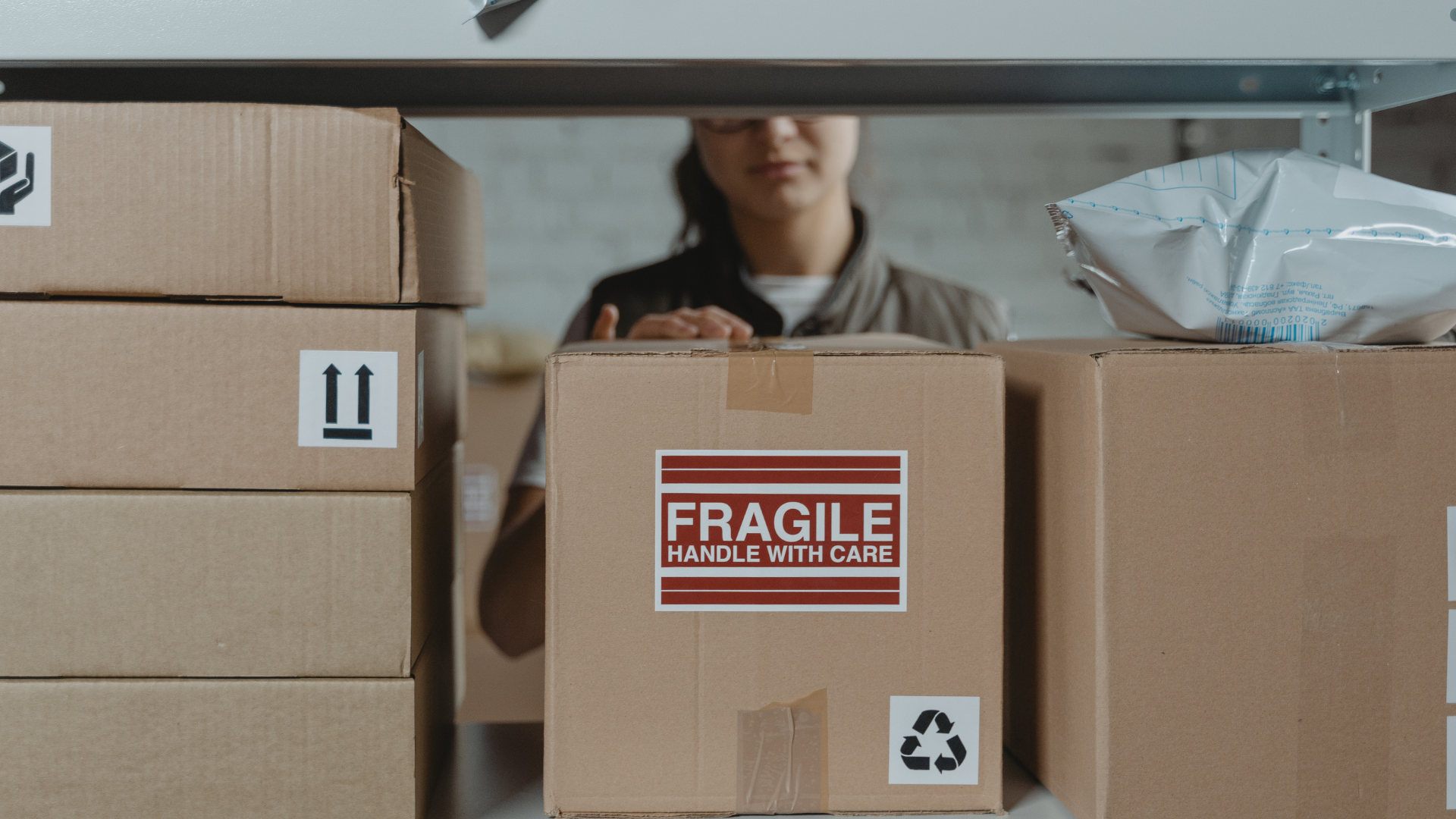
This shift reveals a growing problem for many brands: the personalization gap. A brand may invest heavily in creating a premium online shopping experience, but when the order arrives, it often comes in a generic brown box with no meaningful connection to the brand. For many customers, that delivery moment becomes their first physical interaction with the brand.
In 2026, leading CPG companies approach fulfillment differently. They treat personalization at the warehouse level, including packaging, inserts, and bundled products, as a strategic advantage. For brands navigating rising customer acquisition costs and aggressive private label competition, custom fulfillment has become a new competitive moat.
The Psychology of the Doorstep
To understand why fulfillment matters, look at the psychology of receiving a package.
The Endowment Effect
Behavioral economists use the Endowment Effect to describe how people value something more once they feel ownership over it.
Personalized fulfillment strengthens this effect.
When customers receive packaging designed specifically for them through branded materials, tailored messaging, or curated product combinations, the experience builds a sense of connection before they even use the product.
Instead of feeling like a transaction, the moment starts to feel like the beginning of a relationship.
The Surprise and Delight Factor
Unexpected value also shapes how customers remember a purchase.
A thoughtful insert, a personalized message, or a relevant product sample can create a moment of surprise and delight that significantly increases the emotional impact of the purchase.
From a marketing perspective, these moments often outperform traditional advertising.
A small gesture inside a package that costs only a few dollars often generates more brand affinity than a paid ad impression that costs far more to acquire.
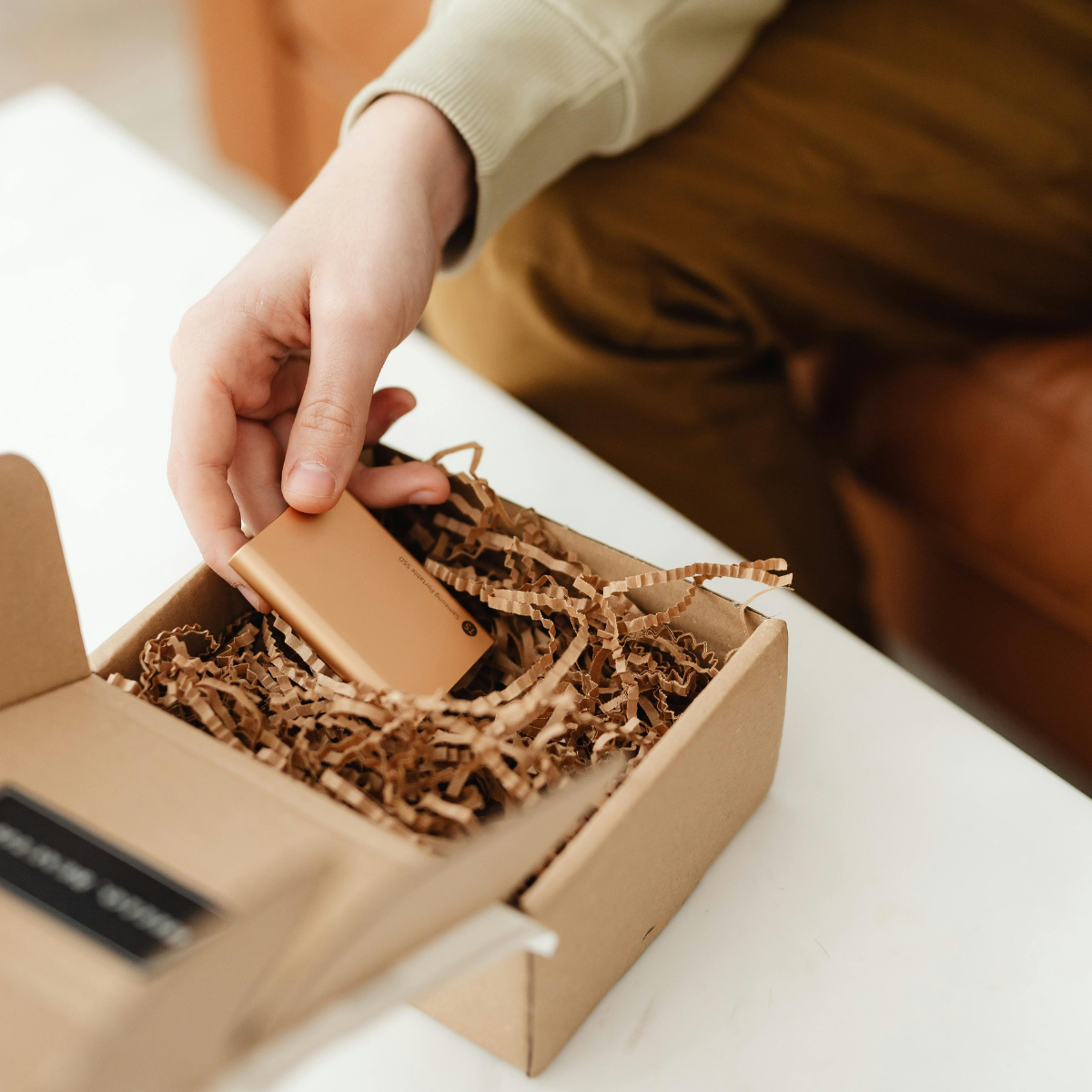
Customers also share these moments. They post unboxing videos, product photos, and first impressions across social platforms, which extends the impact far beyond the original shipment.
The delivery moment increasingly influences how customers remember a purchase.
The LTV Impact
The psychology matters, but the business case matters even more.
Across e-commerce and CPG, repeat buyers spend significantly more than first-time customers. Research consistently shows that returning customers spend about 67 percent more over time.
Yet many brands fall into what can be called the repeat purchase trap.
Brands invest heavily to drive the first purchase but fail to create a meaningful post-purchase experience. They ship orders in generic packaging and make no effort to reinforce brand identity or guide customers toward the next purchase.
The outcome is predictable. Many customers buy once and never return.
Personalized fulfillment helps brands close that gap by reinforcing brand memory during the most tangible part of the buying journey.
Some large CPG companies already test this approach.
In one recent pilot, Nestlé tested hyper-personalized fulfillment that included targeted samples, tailored packaging messaging, and QR-based engagement inserts. Over a 90-day period, the program generated 2.3 million dollars in additional revenue, largely driven by higher repeat purchases and stronger engagement.
The scale of that test was significant, but the principle applies to emerging brands as well. The fulfillment experience directly influences lifetime value.
The Three Pillars of 2026 Fulfillment Strategy
As fulfillment evolves, three capabilities now shape how brands design their logistics strategies.
1. Dynamic Kitting and Co-Packing
Traditional warehouses rely on standardized SKUs and fixed packaging.
Modern fulfillment strategies introduce dynamic kitting. Warehouse teams assemble product bundles based on customer behavior, order history, or promotional campaigns.
This approach allows brands to create product combinations tailored to individual customers, including:
- Personalized product bundles
- Trial samples based on purchase behavior
- Seasonal or campaign-specific inserts
- Loyalty rewards included directly in shipments
Instead of sending identical orders to every customer, brands use fulfillment as an extension of merchandising.
2. Smart Sustainability
Customer expectations around sustainability continue to evolve. Many customers now evaluate not only whether a brand prioritizes sustainability, but whether the delivery experience reflects those values.
In 2026, many brands experiment with personalized sustainability messaging, such as:
- Carbon-neutral shipping badges printed on packaging
- Plastic-free custom inserts
- Messaging that explains the environmental impact of the order
- QR links that provide supply chain transparency
This approach turns sustainability into a visible part of the brand experience rather than a background operational decision.
3. Phygital Integration
The future of fulfillment does not rely only on physical delivery.
Packaging now connects the physical shipment to the digital brand ecosystem. Many companies describe this approach as phygital integration.
QR codes, NFC tags, and connected packaging link customers directly to:
- Loyalty programs
- Reorder portals
- Exclusive content
- Personalized recommendations
- Community platforms
This connection extends the customer journey beyond the unboxing moment and brings customers back into the brand’s digital environment.
In many cases, the packaging itself becomes the entry point to retention.
Implementation: Technology and Partners
Brands need more than creative packaging ideas to deliver personalized fulfillment at scale. They need the right technology and the right operational partners.
AI-Driven Predictive Fulfillment
Advanced analytics now help brands anticipate reorder cycles and customer behavior.
Predictive systems identify when a customer will likely reorder, which products they may want next, and how the fulfillment experience can encourage that next purchase. Brands can include targeted samples, loyalty messaging, or reorder incentives directly inside the package.
When fulfillment data connects with marketing systems, brands can coordinate these moments intentionally rather than relying on guesswork.
Modern logistics platforms are making this possible. For example, systems like Compass, the logistics platform used by North Bay Distribution (NBD), give brands real-time visibility across inventory, fulfillment activity, and shipping performance. That transparency allows marketing, operations, and logistics teams to align fulfillment strategy with customer behavior.
The result is a shift from reactive shipping to predictive fulfillment.
Choosing the Right 3PL Partner
Brands also need fulfillment partners that support personalization.
Many third-party logistics providers still focus on standardized, high-volume operations and cannot support this level of flexibility.
The next generation of fulfillment partners operates more like marketing collaborators than traditional warehouses. These partners provide capabilities such as:
- Flexible kitting and co-packing
- Custom packaging workflows
- High SKU complexity handling
- Integration with marketing and CRM platforms
- Rapid testing of packaging and insert strategies
In this model, brands use the warehouse as part of their customer experience infrastructure rather than only as a supply chain function.
The ROI of Caring
Fulfillment no longer sits on the sidelines as a cost center.
In 2026, brands use fulfillment as one of the most effective ways to improve retention, increase lifetime value, and stand out in crowded markets.
The shift from standardized shipping to personalized delivery reflects a broader reality. Customers remember experiences far more than transactions.
Brands that treat fulfillment as part of their marketing strategy often see stronger engagement, higher repeat purchase rates, and deeper long-term loyalty.
Every product category now faces intense competition. Private label products replicate successful items quickly. Digital advertising grows more crowded and expensive each year. In this environment, the delivery experience gives brands a rare moment of direct connection with customers.
The brands that win pay close attention to that moment.
Before launching the next acquisition campaign, start with a simple exercise.
Audit your current unboxing experience.
If your own product arrived at your door today, would you feel proud enough to share it on your social feed?
Brands that want to turn fulfillment into a competitive advantage often start by evaluating whether their logistics partner can support that level of experience. If you are exploring ways to improve operational performance, personalize the delivery experience, or scale omnichannel fulfillment more efficiently, the team at North Bay Distribution can help you assess what is possible.
Talk with an NBD expert to explore how the right fulfillment strategy can support both operational efficiency and long-term customer loyalty.